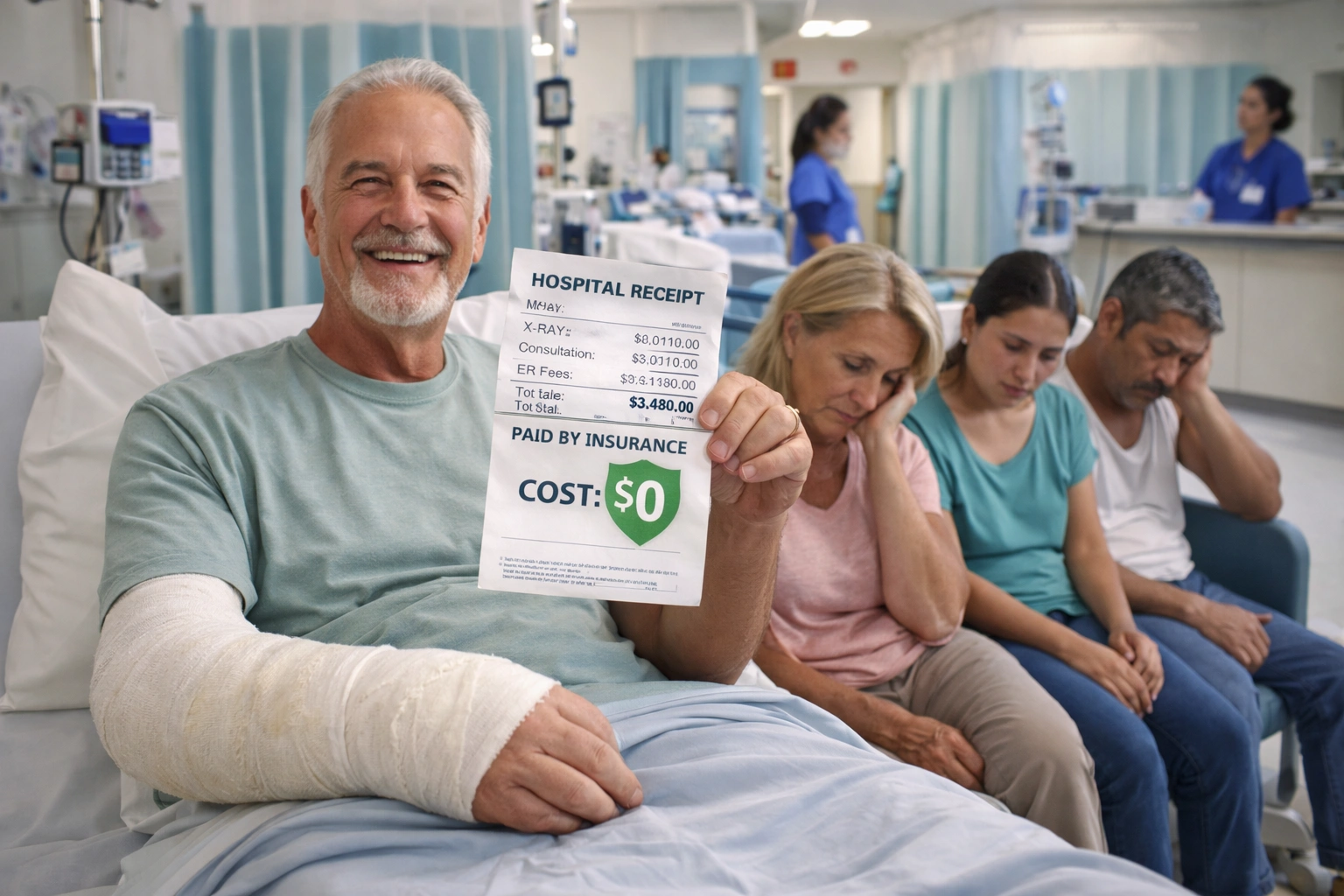
on my way to mexico on a trip i met so many americans who were living there and some worked there.
i heard lot of stories about their life why they wanted so badly to Immigrate to mexico.
they were all worried about one thing .. * Healthcare *.
they didn’t know anything about the mexican healthcare.
so here’s what I learned about Healthcare.
INTRO
Healthcare in Mexico is significantly cheaper than in the United States, but costs vary depending on whether you use public or private services. In 2026, the healthcare cost in Mexico depends on where you live, which system you use, and whether you carry private insurance. This guide breaks down real price ranges for doctor visits, hospital stays, emergency care, and private coverage so you can make decisions with clarity.
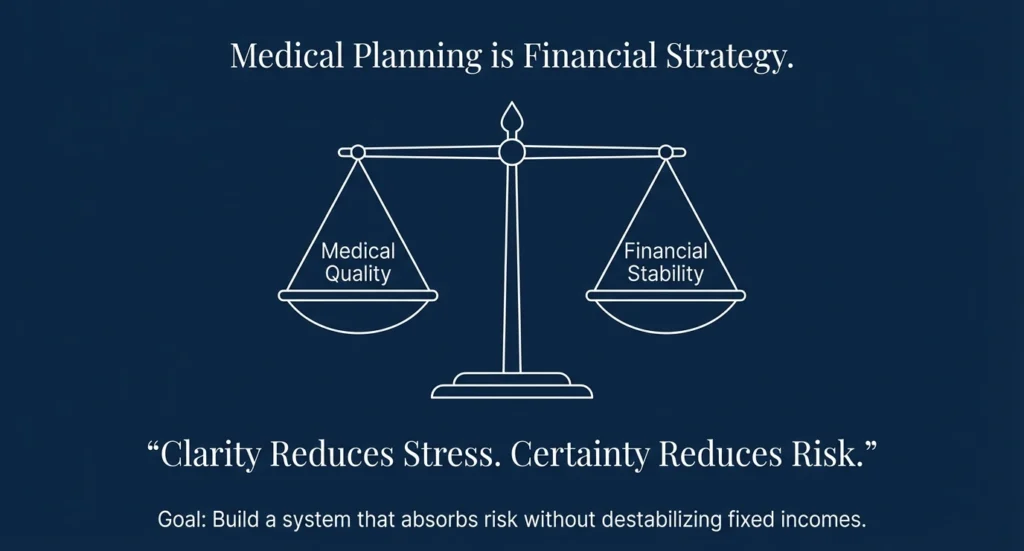
For Americans relocating long term, medical planning is not optional. It is part of your financial stability strategy. When you understand pricing in advance, you reduce uncertainty and avoid reactive decisions later.
Is Healthcare in Mexico Good Quality?
Mexico operates a mixed public–private healthcare system. Quality varies by region, but major urban centers offer modern facilities and internationally trained physicians. According to the OECD Health Statistics database, Mexico maintains a nationwide healthcare infrastructure combining public coverage and private providers (OECD Health Data: https://www.oecd.org/en/data/indicators/health-spending.html).
For expats, the key decision is not whether healthcare exists. The decision is which tier of the system you intend to rely on.
Public vs Private System
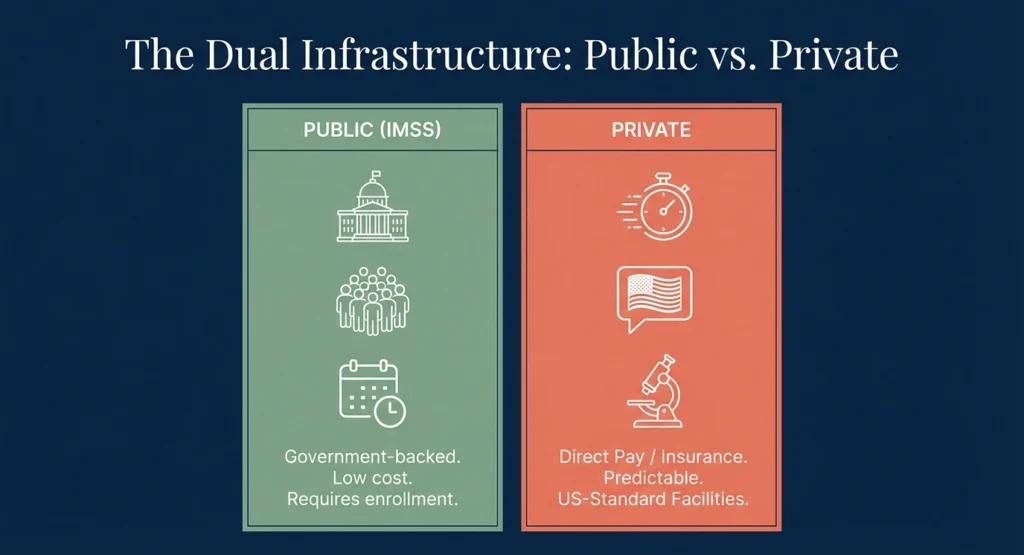
Mexico’s public healthcare system includes IMSS (Instituto Mexicano del Seguro Social) and other government-backed programs. IMSS serves formal workers and voluntary enrollees, offering subsidized treatment (IMSS official overview: http://www.imss.gob.mx/).
Private healthcare operates separately and is funded directly by patients or private insurance. Private hospitals often feature shorter wait times, English-speaking staff in major cities, and access to newer equipment.
Most American retirees choose private care because it offers predictability, speed, and language accessibility.
If you’re still comparing insurance options before relocating, Visitorscoverage lets you compare plans side by side -> https://takviewer.com/go/Visitorscoverage
English-Speaking Doctors
In large expat hubs such as Mexico City, Guadalajara, Puerto Vallarta, and Mérida, English-speaking physicians are common in private hospitals. Many specialists receive training in the United States or Europe.
However, outside major cities, language access can decrease. If communication certainty matters to you, prioritizing urban private facilities reduces friction.
Clarity reduces stress. Certainty reduces risk.
Major Hospital Cities
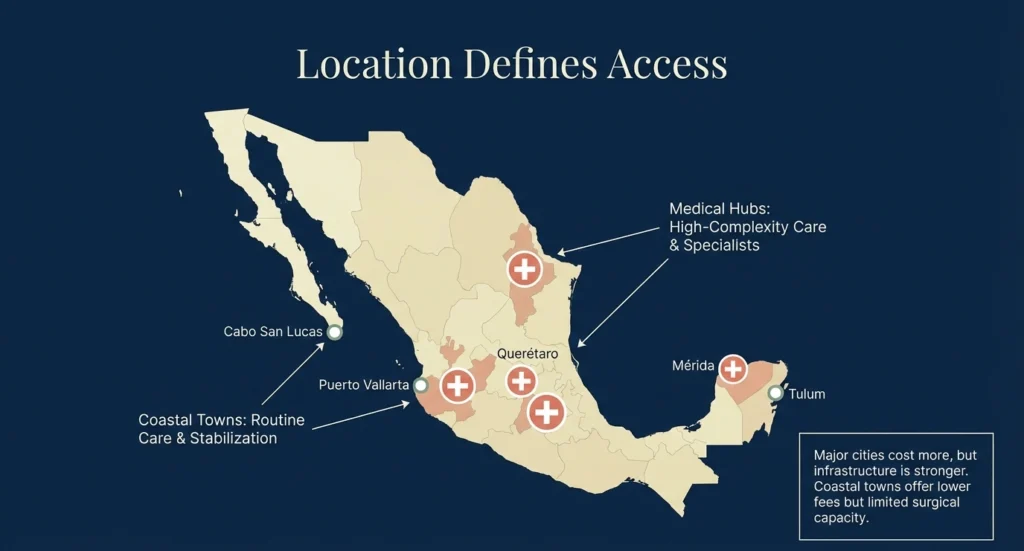
High-quality private hospital networks operate in:
• Mexico City
• Monterrey
• Guadalajara
• Mérida
• Querétaro
Internationally recognized private hospital groups such as Hospital Angeles (https://hospitalesangeles.com/) and Christus Muguerza (https://christusmuguerza.com.mx/) operate modern facilities with advanced surgical capacity.
Location directly affects pricing. Major cities typically cost more than smaller coastal towns, but infrastructure is stronger.
Doctor Visit Costs in Mexico
One of the most immediate differences Americans notice is the lower doctor visit cost Mexico pricing structure. Services are typically paid out-of-pocket at the time of care unless insurance is used.
Compared to the United States, where a primary care visit can exceed $150–$300 without insurance (Kaiser Family Foundation analysis: https://www.kff.org/health-costs/), Mexico’s private consultation fees are materially lower.
General Practitioner Visit
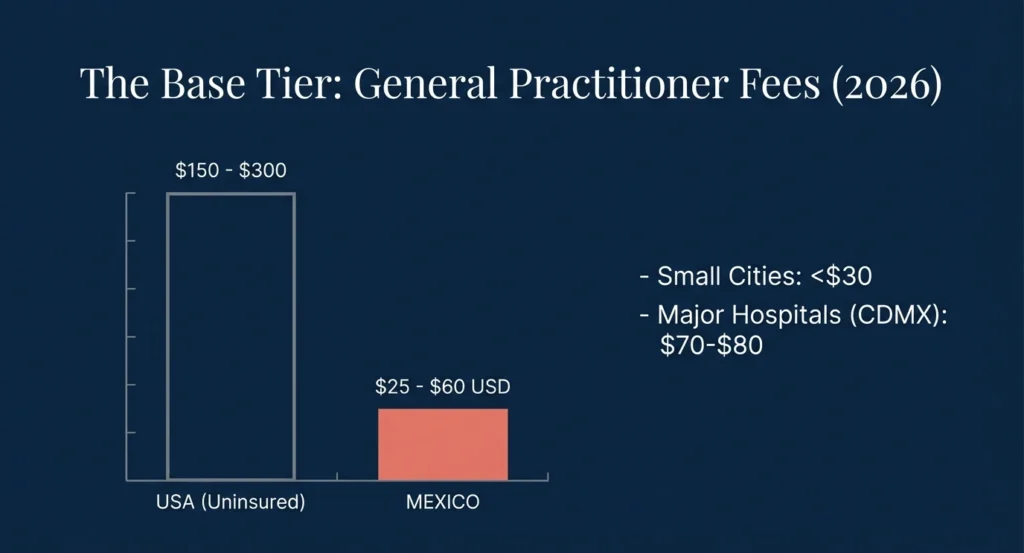
Private general practitioner visits in 2026 typically range between:
$25 – $60 USD per visit
In smaller cities, fees may fall below $30. In major private hospitals in Mexico City, fees can reach $70–$80.
Public clinic visits through IMSS may involve minimal direct cost once enrolled, though enrollment eligibility depends on residency status (IMSS enrollment details: https://www.imss.gob.mx/derechoH).
For retirees budgeting monthly expenses, this difference creates flexibility. Lower consultation fees mean routine care does not destabilize fixed-income planning.
Specialist Appointment
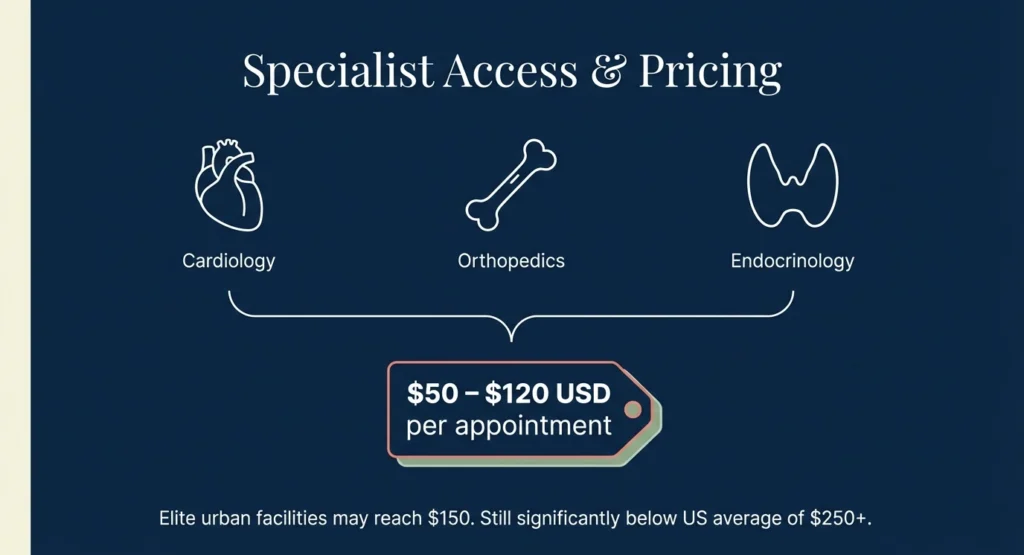
Specialist visits generally range between:
$50 – $120 USD per appointment
Cardiology, orthopedics, and endocrinology fall in this range in most private urban hospitals. Highly specialized consultations in elite private facilities may exceed $150.
Even at the upper range, this remains significantly below average U.S. specialist costs, which frequently exceed $250 without insurance (Health Care Cost Institute data: https://healthcostinstitute.org/).
Lower pricing does not automatically mean lower quality. However, expats should verify hospital accreditation and physician credentials before scheduling procedures.
Dental Visits
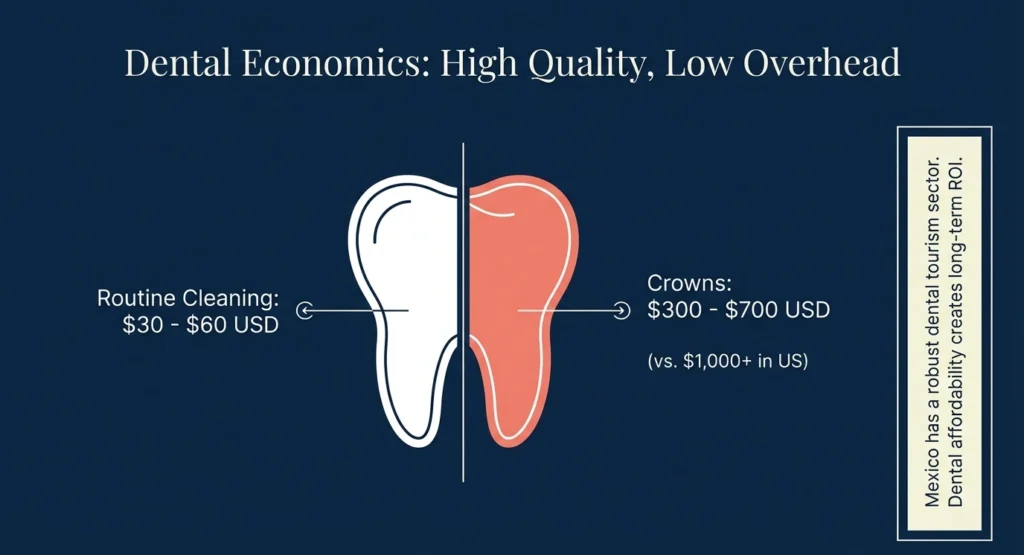
Dental care is one of the most cost-efficient medical services in Mexico. Routine cleaning typically ranges from:
$30 – $60 USD
Fillings may cost $40 – $100 depending on material. Crowns often range between $300 – $700, compared to $1,000+ in many U.S. markets.
Mexico has developed a strong dental tourism sector, particularly in border cities such as Tijuana and Los Algodones.
For Americans evaluating relocation budgets, dental affordability can significantly reduce long-term medical expenses.
For a broader understanding of total living expenses, review:
Cost of Living in Mexico (2026 Breakdown)
https://takviewer.com/cost-of-living/mexico/cost-of-living-in-mexico-2026-breakdown
If you are planning retirement income allocation, also see:
Retire in Mexico on Social Security
https://takviewer.com/cost-of-living/mexico/mexico-retirement-visa-cost
Understanding the healthcare cost in Mexico requires looking beyond routine doctor visits. Hospitalization, emergency care, surgery pricing, and private insurance structures create the real financial impact for expats. This section examines those higher‑exposure scenarios so you can plan with precision, control, and financial clarity.
Hospital Costs for Foreigners in Mexico
Hospital pricing in Mexico varies significantly between public and private facilities. Foreign residents without IMSS coverage typically use private hospitals, where pricing remains substantially lower than U.S. averages.
According to OECD comparative health expenditure data, Mexico’s per capita health spending remains far below U.S. levels (OECD Health Data: https://www.oecd.org/en/data/indicators/health-spending.html). This macroeconomic difference translates directly into lower procedure and facility pricing.
However, lower cost does not eliminate financial exposure. Large medical events still require planning.
Emergency Room Visit Cost
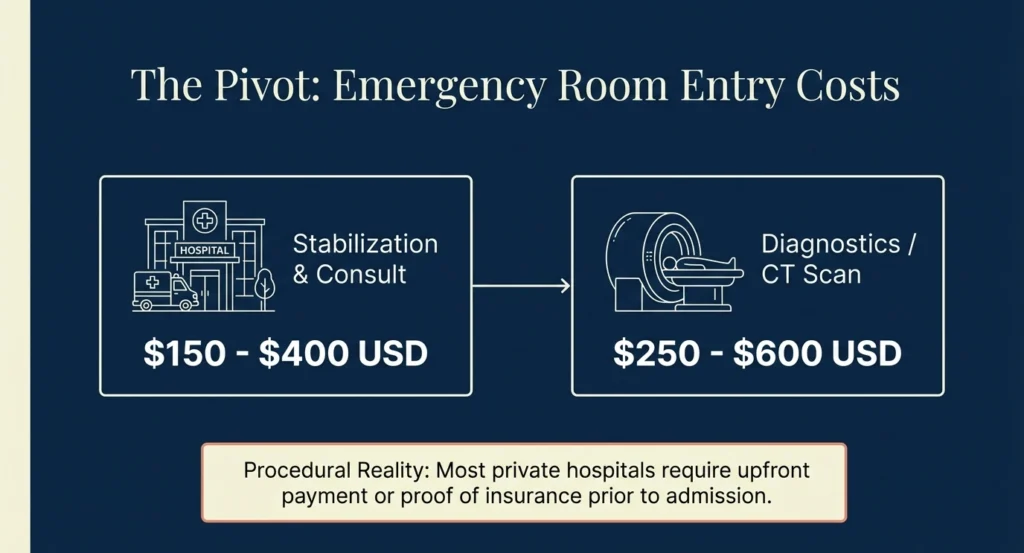
An emergency room evaluation at a private hospital typically ranges between:
$150 – $400 USD for consultation and initial assessment.
Additional diagnostic testing such as blood work, X‑rays, or CT scans increases total cost. A CT scan may range from $250 – $600 USD, depending on the hospital and city.
In comparison, U.S. emergency room visits often exceed $1,200 before testing or treatment (Kaiser Family Foundation emergency cost data: https://www.kff.org/health-costs/).
Most private Mexican hospitals require upfront payment or proof of insurance before treatment continues beyond stabilization. This is not unusual. It is procedural.
Preparation reduces disruption. Liquidity creates leverage.
Surgery Costs in Mexico
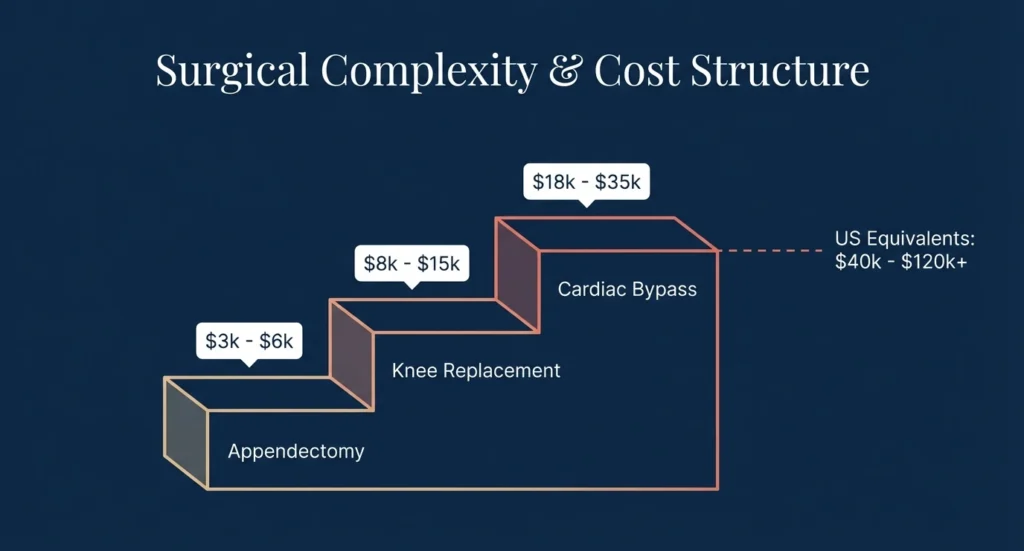
Surgical pricing varies widely by complexity and hospital tier. General ranges in private hospitals:
• Appendectomy: $3,000 – $6,000 USD
• Gallbladder removal: $4,000 – $8,000 USD
• Knee replacement: $8,000 – $15,000 USD
• Cardiac bypass surgery: $18,000 – $35,000 USD
For context, similar procedures in the United States frequently exceed $40,000–$120,000 depending on insurance coverage (Health Care Cost Institute data: https://healthcostinstitute.org/).
Major private hospital systems such as Hospital Angeles (https://hospitalesangeles.com/) publish procedure packages and maintain ICU‑level facilities in major cities.
Lower pricing does not remove risk. It lowers the barrier to access.
Hospital Stay Per Night
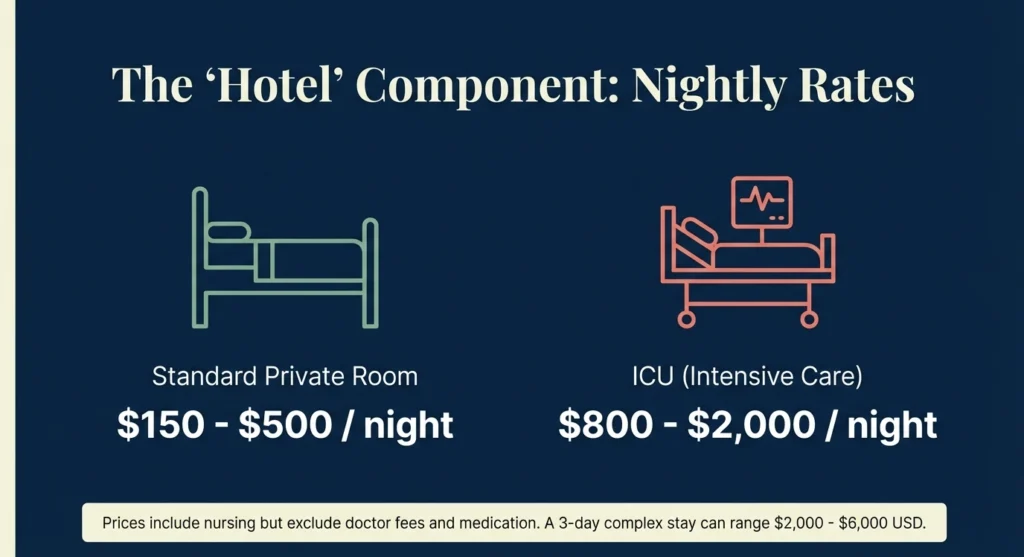
Private hospital room rates typically range between:
$150 – $500 USD per night, depending on room type and city.
Intensive care units (ICU) can range between $800 – $2,000 USD per night.
These prices generally include nursing services but exclude physician fees, medication, and procedures.
For retirees or remote workers relocating long term, the financial impact of a three‑day hospitalization could realistically range from $2,000 to $6,000 USD, depending on complexity.
This is manageable for many Americans, but only if anticipated.
Private Health Insurance in Mexico
Private coverage is common among expats seeking financial predictability and hospital access certainty.
Unlike U.S. plans, Mexican private insurance is structured around deductibles and co‑insurance with annual maximum coverage limits.
Average Monthly Premium
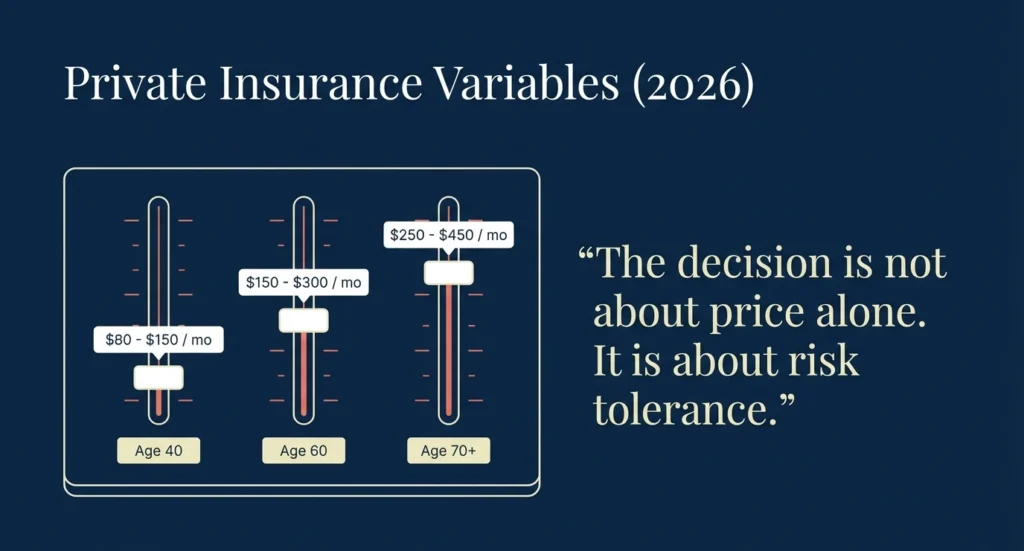
Premiums vary by age, deductible level, and coverage tier.
Typical 2026 monthly premium ranges:
• Age 40: $80 – $150 USD per month
• Age 60: $150 – $300 USD per month
• Age 70+: $250 – $450 USD per month
One option many expats use is SafetyWing well that is a flexible health plan built for people living outside their home country – https://takviewer.com/go/Safetywing
Premium data is consistent with pricing published by major Mexican insurers such as AXA Mexico (https://www.axa.mx/) and GNP Seguros (https://www.gnp.com.mx/).
Higher deductibles reduce monthly cost. Lower deductibles increase stability but raise premium levels.
The decision is not about price alone. It is about risk tolerance.
Coverage Differences
Most private policies include:
• Hospitalization
• Surgery
• Emergency services
• Specialist care
• Diagnostic imaging
Some policies exclude pre‑existing conditions for a waiting period. Others permanently exclude certain chronic conditions.
Understanding exclusions is essential. The lowest premium is not always the most secure plan.
International expat plans may also provide U.S. coverage for emergency stabilization, though premiums are higher.
Is Insurance Required for Residency?
Mexico does not require proof of private health insurance for temporary or permanent residency under federal immigration law.
However, some consulates may recommend demonstrating access to healthcare resources during financial review.
Insurance is not legally mandatory. Financial preparedness is functionally necessary.
Public Healthcare Options (IMSS & INSABI)
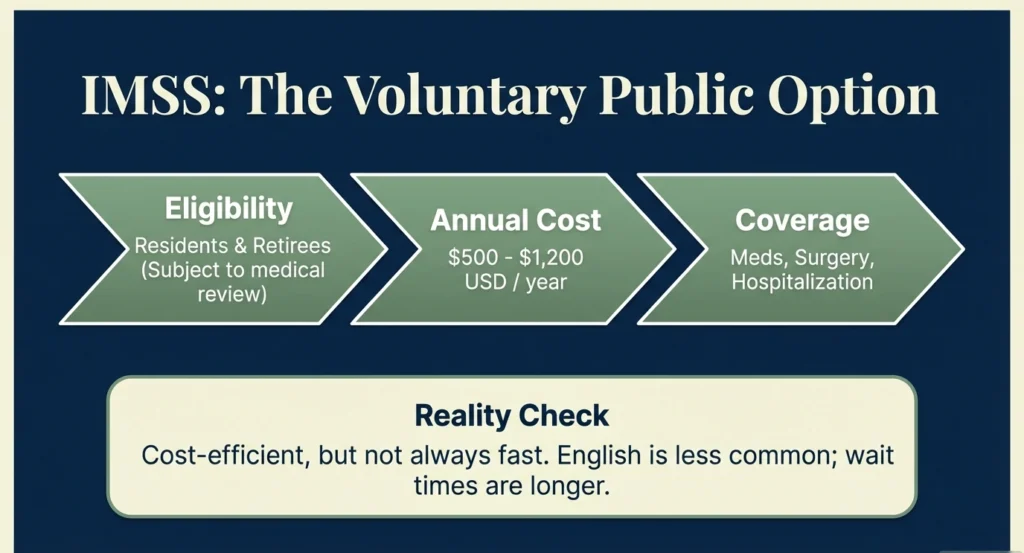
Mexico’s public healthcare system includes IMSS (Instituto Mexicano del Seguro Social), which allows voluntary enrollment for residents who are not formally employed.
IMSS official enrollment guidelines are published here:
https://www.imss.gob.mx/derechoH
Who Qualifies?
Temporary and permanent residents can apply for voluntary IMSS enrollment. Approval depends on medical evaluation and age.
Pre‑existing serious conditions may delay or restrict eligibility.
Annual IMSS premiums vary by age group and are published annually by IMSS. As of recent schedules, annual costs for older adults may range between $500 – $1,200 USD per year depending on age bracket.
IMSS is cost‑efficient. It is not always fast.
Costs and Limitations
IMSS covers:
• Primary care
• Specialist care
• Surgery
• Hospitalization
• Prescription medication
However, wait times can be longer than private facilities. English‑speaking doctors are less common. Facility quality varies by region.
For many expats, IMSS serves as a catastrophic backup layer, while routine care is handled privately.
This hybrid approach balances cost control with flexibility.
Is Healthcare Free in Mexico?
Healthcare in Mexico is not universally free for foreigners.
Public services are subsidized for enrolled participants, but voluntary IMSS enrollment requires annual premiums. Private healthcare requires direct payment or insurance coverage.
Compared to U.S. healthcare spending, total out‑of‑pocket exposure in Mexico remains lower on average (OECD comparison: https://data.oecd.org/healthres/health-spending.htm).
Lower cost does not equal zero cost. Planning remains essential.
How Much Should Expats Budget for Medical Costs?
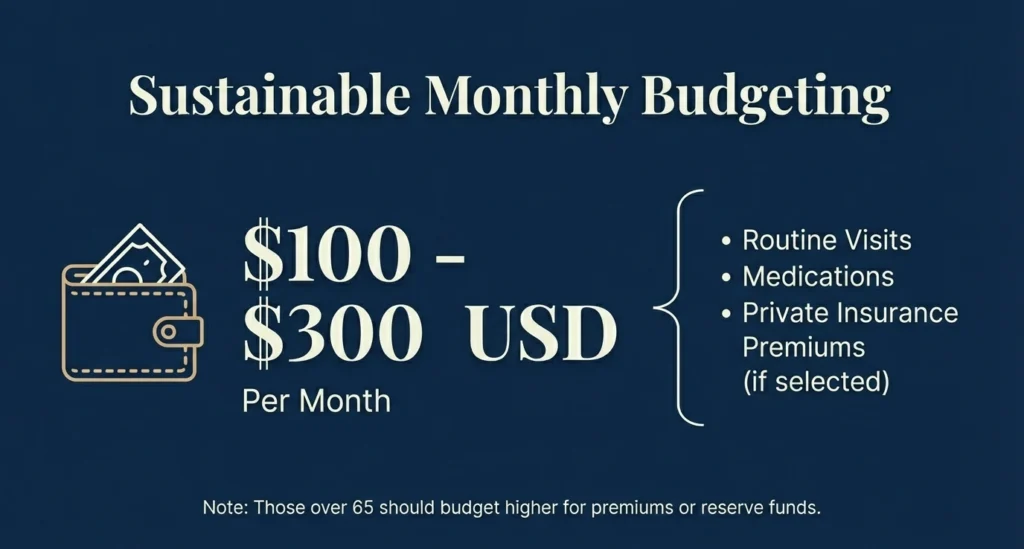
For most American retirees living in Mexico, a reasonable monthly healthcare budget falls between:
$100 – $300 USD per month, excluding major surgery events.
This may include:
• Routine doctor visits
• Occasional specialist consultations
• Prescription medication
• Private insurance premium (if selected)
Those over age 65 should consider higher insurance premiums or reserve funds for hospitalization exposure.
Medical cost planning should be integrated into your broader relocation budget. Review total living expenses here:
Cost of Living in Mexico
https://takviewer.com/cost-of-living/mexico/cost-of-living-in-mexico-2026-breakdown
If you are structuring retirement income around Social Security benefits, review:
Retire in Mexico on Social Security
https://takviewer.com/cost-of-living/mexico/mexico-retirement-visa-cost
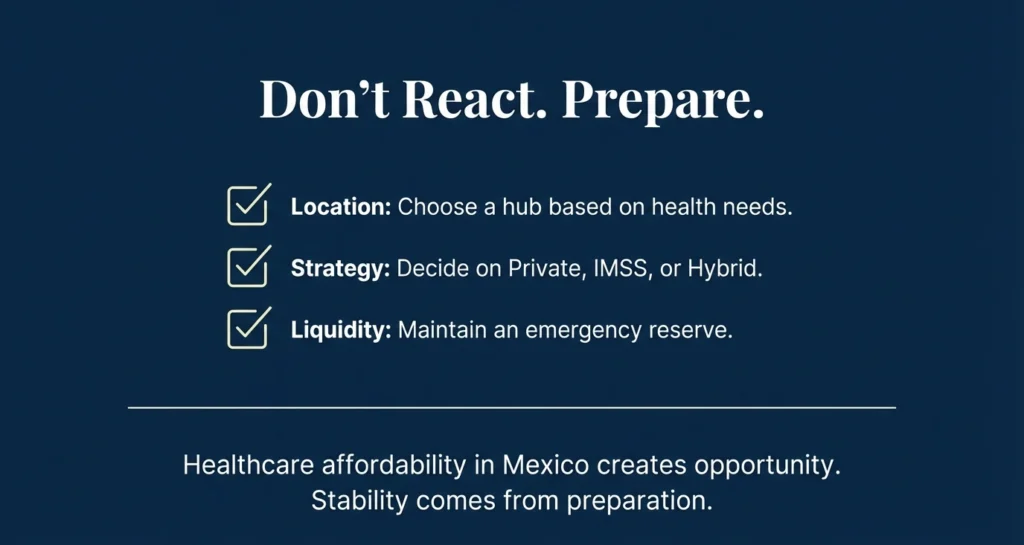
Healthcare affordability in Mexico creates opportunity. Stability comes from preparation.
The goal is not to react to emergencies. The goal is to build a system that absorbs them.
Long-Term Healthcare Planning for Expats in Mexico
Understanding the healthcare cost in Mexico is only the first step. Long-term relocation requires a structured medical plan that aligns with income stability, age, and location.
Retirees relying primarily on fixed income — such as Social Security — should treat healthcare as a protected category inside their monthly budget. Even though routine care is affordable, hospitalization events create variability. Stability comes from planning for both the expected and the unexpected.
A practical structure many expats follow:
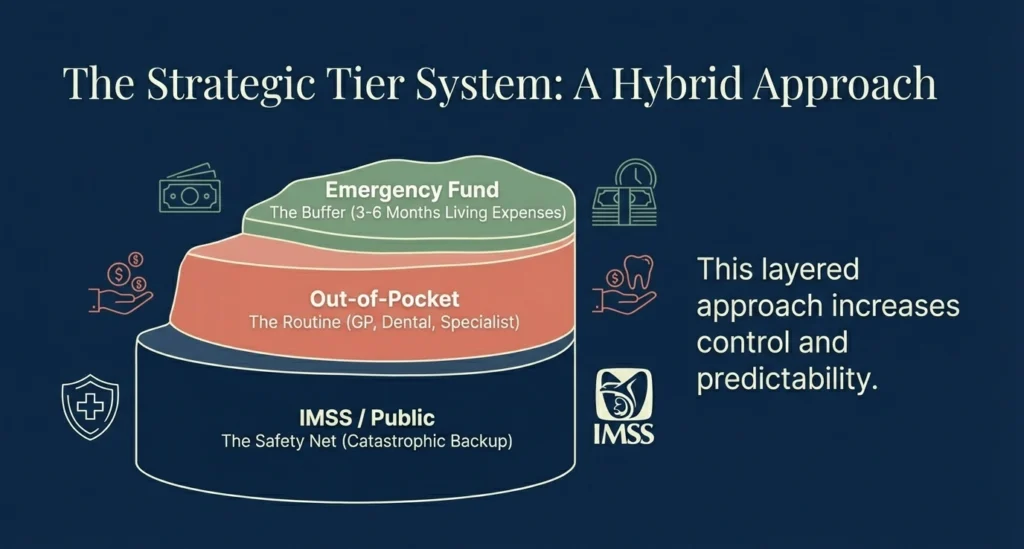
• Routine care paid out-of-pocket
• Private insurance for catastrophic coverage
• Emergency reserve fund equal to 3–6 months of living expenses
This layered approach increases control and predictability.
Regional Cost Differences Across Mexico
Healthcare pricing varies by geography.
Major cities such as Mexico City, Monterrey, and Guadalajara typically have higher private hospital pricing due to advanced infrastructure and specialist availability. Smaller cities and coastal towns often offer lower consultation and procedure fees but may have fewer high-complexity surgical facilities.
For Americans relocating permanently, city selection directly influences total medical cost Mexico for Americans exposure.
Compare regional housing and expense differences here:
Cost of Living in Mexico
https://takviewer.com/cost-of-living/mexico/cost-of-living-in-mexico-2026-breakdown
Location is not only lifestyle. It is risk management.
When Private Insurance Makes Financial Sense
Private insurance becomes more valuable as age increases or pre-existing risk factors develop.
If you are under 50 and generally healthy, self-funding routine care with a reserve fund may be financially efficient. After age 60, the probability of hospitalization increases, making risk transfer through insurance more rational.
The decision should be evaluated against:
• Monthly retirement income
• Asset reserves
• Family medical history
• Comfort with out-of-pocket exposure
Insurance is not about expectation of illness. It is about limiting downside volatility.
Healthcare and Retirement Sustainability
Healthcare affordability in Mexico is one of the primary drivers attracting American retirees. However, sustainability depends on realistic budgeting.
If you are structuring retirement income around Social Security benefits, review:
Retire in Mexico on Social Security
https://takviewer.com/cost-of-living/mexico/mexico-retirement-visa-cost
If you are planning to live on a lean monthly income, evaluate this scenario:
Live in Mexico on $1,500 a Month
https://takviewer.com/cost-of-living/mexico/monthly-budget-mexico
Lower medical pricing creates flexibility. Financial structure preserves it.
Frequently Asked Questions
How much does a doctor visit cost in Mexico in 2026?
A private general practitioner visit typically ranges from $25 to $60 USD, while specialist appointments usually range from $50 to $120 USD, depending on city and facility tier. These figures are significantly lower than average uninsured U.S. consultation costs reported by the Kaiser Family Foundation (https://www.kff.org/health-costs/).
Is healthcare free in Mexico for American retirees?
Healthcare is not universally free for foreigners. Public IMSS enrollment requires annual premiums (IMSS enrollment details: https://www.imss.gob.mx/derechoH), and private care requires direct payment or insurance. Costs are generally lower than in the United States, but financial participation is required.
Do expats need private health insurance in Mexico?
Private insurance is not legally required for residency under Mexico’s migration regulations (Reglamento de la Ley de Migración: https://www.diputados.gob.mx/). However, many expats choose coverage to limit exposure to large hospital bills and maintain access to private hospital networks.
Are private hospitals in Mexico safe for foreigners?
Major private hospitals in cities such as Mexico City and Monterrey operate modern facilities and often employ internationally trained physicians. Hospital networks such as Hospital Angeles (https://hospitalesangeles.com/) maintain advanced surgical capacity. Quality varies by region, so facility research remains important.
How much should retirees budget monthly for healthcare in Mexico?
Many retirees allocate $100 to $300 USD per month for routine care and insurance premiums, excluding major procedures. Those over age 65 may face higher insurance premiums and should maintain an emergency reserve fund to reduce financial stress during hospitalization.
Mexico offers a structurally lower healthcare cost environment than the United States. The advantage becomes meaningful when paired with planning, insurance evaluation, and disciplined budgeting.
Cost matters. Preparation matters more.